Understanding Facial Analysis Services
In an age where appearance significantly impacts social and professional opportunities, the desire for enhanced looks drives many to seek facial analysis services. These platforms leverage advanced technology, including artificial intelligence, to evaluate facial features, provide beauty scores, and suggest enhancements. Among the popular names in this space is QOVES, which offers a comprehensive subscription model tailored to individual aesthetic goals. However, as the market evolves, many are increasingly curious about Alternatives to QOVES that might offer comparable or even superior services.
What are Alternatives to QOVES?
Alternatives to QOVES abound, each providing unique approaches to facial analysis. While QOVES focuses on personalized aesthetic protocols delivered through a membership structure, other platforms may prioritize instant feedback or offer entirely free services. This diversity allows users to find a solution that aligns with their expectations, financial constraints, and personal objectives.
How Facial Analysis Works
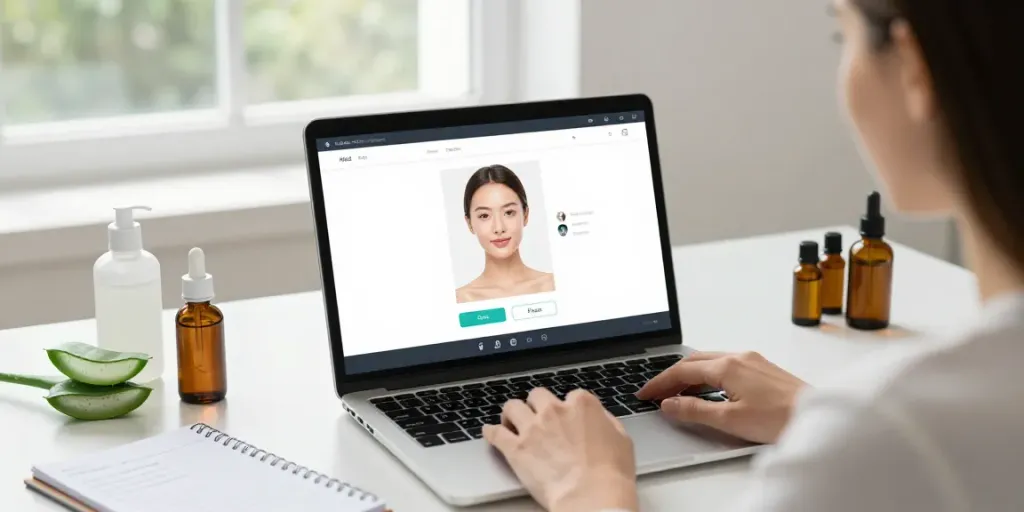
Facial analysis services primarily employ AI algorithms to assess facial features against various beauty standards that can include symmetry, proportion, and skin quality. Users typically upload a selfie, which the system then evaluates. The results can range from a straightforward score, simply indicating attractiveness, to comprehensive reports outlining potential facial enhancements or grooming suggestions.
Benefits of AI-Driven Beauty Insights
The advent of AI in beauty analytics has transformed how individuals receive feedback about their appearance. Through accurate and rapid assessments, users gain insights that were previously available only through professional consultations. AI-driven platforms offer:
- Efficiency: Instant scores and suggestions save time compared to traditional methods.
- Accessibility: Many services are available for free or at relatively low costs, democratizing access to facial analysis.
- Customization: Tailored recommendations cater to individual preferences and needs.
Comparing Leading Alternatives
With numerous services on the market, evaluating options becomes crucial for potential users. This section examines five prominent alternatives to QOVES, providing a detailed overview of each service's structure, pricing, and features.
Overview of Each Service
Below is a snapshot of five services that present viable alternatives to QOVES. Each service utilizes its unique technology and methodology to analyze facial aesthetics:
- ClinicEvo: For a monthly fee of $12, you receive a comprehensive facial analysis reviewed by trained aesthetics specialists. All reports include a personalized EvoPlan™ tailored to enhancement recommendations.
- Umax: An iOS and Android app that provides instant AI-driven scores for selfies. Users receive improvement suggestions tied directly to their scores.
- LooksMax AI: This app offers quick attractiveness ratings, focusing on aspects like grooming and skincare, designed for rapid evaluations.
- PrettyScale: A free tool that calculates beauty scores based on automated algorithms, allowing users to gauge their appearance without financial commitment.
- FaceRate.ai: Similar to PrettyScale, this service provides free trials and scores based on symmetry and golden ratio assessments.
Pricing Structures Explained
Pricing can vary significantly across different facial analysis services. Here's how the costs stack up against QOVES:
- QOVES: $150/year, offering in-depth analysis delivered within 28 days with team reviews.
- ClinicEvo: $144/year, allowing for a much quicker turnaround of reports (within 5 business days) and personal assessments.
- Umax: Approximately $4/week, which can total around $207 if used continuously for a year, making it seem less cost-effective compared to annual subscriptions.
- PrettyScale and FaceRate.ai: Both provide free scores, making them appealing for users seeking no-cost options.
Unique Features of Each Platform
Each service also boasts unique features that may appeal to certain user preferences:
- ClinicEvo: Human reviews for personalized feedback and detailed reports.
- Umax: Instant feedback and improvement suggestions through a user-friendly app interface.
- LooksMax AI: A focus on grooming tips alongside attractiveness ratings.
- PrettyScale: Automated scoring without the commitment of ongoing payments.
- FaceRate.ai: A user-friendly approach designed for quick assessments.
Key Considerations Before Choosing a Service
When evaluating alternatives to QOVES or similar services, users should consider several key factors to ensure they select the best option for their needs:
Human Review vs. Automated Feedback
Not all facial analysis services employ human reviewers for their reports. For users seeking personalized feedback, options like ClinicEvo and QOVES are preferable, while purely automated services may lack depth in their analysis.
Understanding Your Beauty Goals
Defining clear beauty goals can significantly affect the choice of service. For those looking to simply gauge attractiveness or seek quick tips, services like Umax or PrettyScale might suffice. Conversely, for individuals intending to make substantial aesthetic changes, a more comprehensive platform like ClinicEvo is advisable.
Value vs. Cost Analysis
Comparing the overall value of the services against their costs is paramount. Free services offer initial assessments but may not provide the depth or follow-up that paid options can deliver. Evaluating whether you want ongoing support or a one-time assessment is crucial in your decision-making process.
User Experiences and Feedback
Understanding how other users rate these services can be instrumental in making an informed choice. Each service has its unique feedback profile that reflects user satisfaction and areas for improvement.
Customer Testimonials and Reviews
Customer feedback varies widely. For example, many users of ClinicEvo praise its personalized reports but may find the waiting time longer than instantaneous options. Alternatively, free services like PrettyScale often get high marks for accessibility, yet some customers express dissatisfaction with the lack of detailed recommendations.
Common Concerns Raised by Users
Common concerns among users typically revolve around the accuracy of AI assessments, the depth of insights provided, and the necessity of human review. Users often compare their experiences on forums, sharing their journeys and results from various services, which can provide valuable insights for prospective clients.
Success Stories and Transformations
Success stories abound—individuals who credit their positive transformations to comprehensive planning and feedback provided by services like ClinicEvo stand testament to the potential effectiveness of the right tools.
Future Trends in Facial Analysis Technology
The world of facial analysis is poised for significant changes as technology continues to evolve. Users can expect more sophisticated insights and enhanced user experience through continuous developments.
Emerging Technologies to Watch
As AI technology advances, expect more personalized and accurate assessments. New facial recognition algorithms and technology integrations will likely offer deeper insights into aesthetics, further refining how beauty is measured and perceived.
Impact of AI on Beauty Standards
AI's role in beauty analysis may also shift societal beauty standards. With AI providing quantified beauty scores, there may be a growing emphasis on data-driven appearance evaluations, potentially reshaping industry norms.
Predictions for 2026 and Beyond
Looking ahead, we can anticipate a stronger focus on holistic beauty solutions that integrate skincare, lifestyle recommendations, and emotional well-being into facial analysis platforms, offering users more rounded approaches to aesthetics.
What Should Consumers Expect?
As facial analysis technology continues to develop, consumers should expect greater transparency in how scores are calculated and improved user interfaces that make accessing beauty insights more accessible. A growing emphasis on mental well-being alongside physical appearance can also enrich user experiences.