The Importance of Cancer Biobanks in Modern Research
Cancer biobanks play a crucial role in advancing our understanding of cancer and enhancing treatment strategies. These specialized repositories store biological samples from patients diagnosed with cancer, enabling researchers to conduct invaluable studies on the disease. By collecting data and specimens over time, cancer biobanks create a rich resource reflecting the complexities of individual cases, genetic variations, and treatment responses. When exploring options, Cancer biobank initiatives lead to breakthroughs that can drastically improve patient outcomes through personalized medicine.
Understanding Cancer Biobanks and Their Role
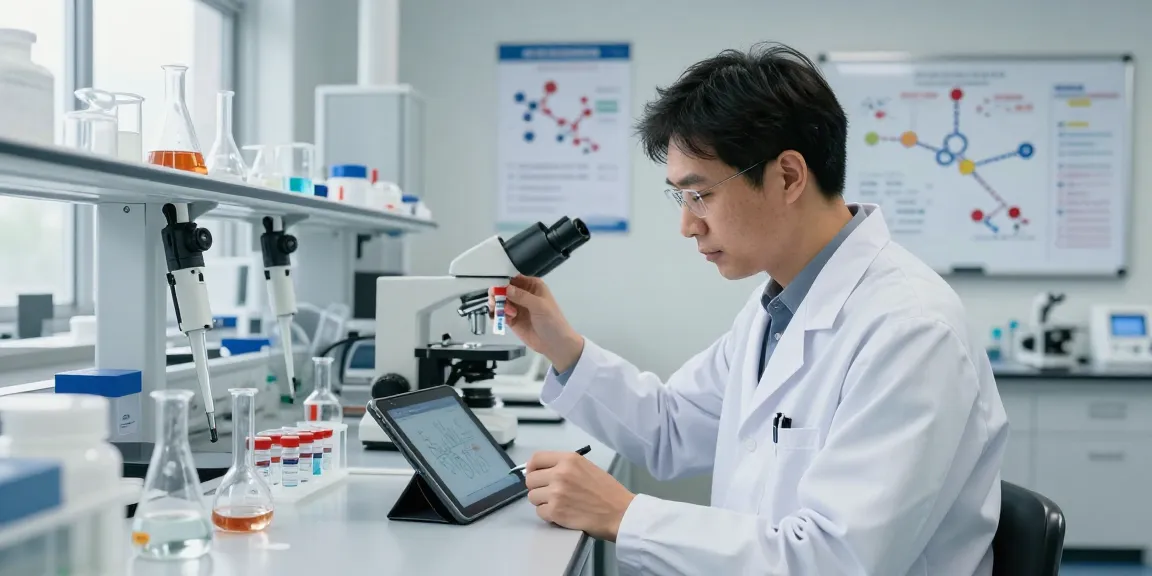
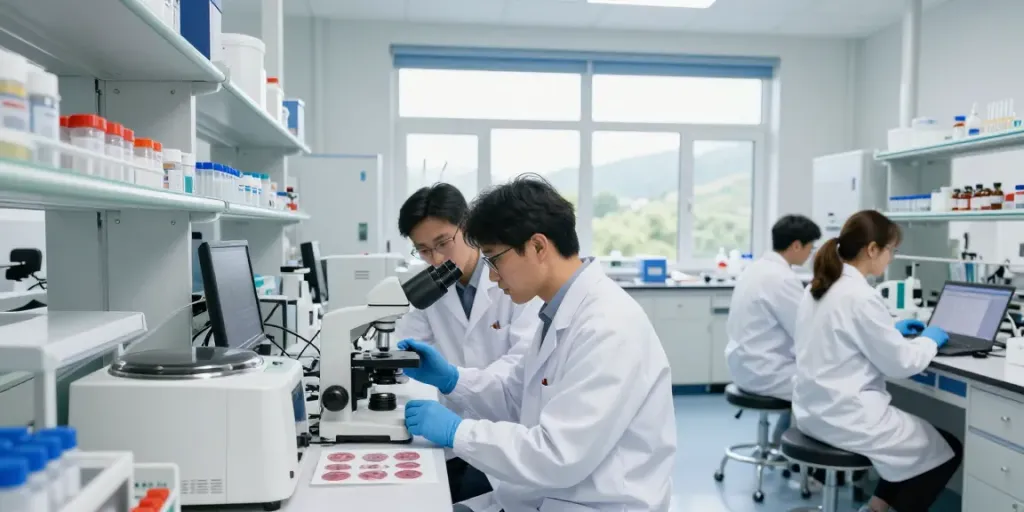
Cancer biobanks are collections of biological materials such as tissue, blood, and other bodily fluids from cancer patients. Beyond mere storage, these biobanks are integral to research, providing vital insights into cancer's molecular underpinnings. They serve a dual purpose: facilitating groundbreaking research while also helping in the development of targeted therapies. By cataloging various specimens from diverse populations, biobanks can significantly enhance our understanding of the genetic and environmental factors contributing to cancer.
Benefits of Cancer Biobanks for Researchers
- Access to Diverse Samples: Biobanks often contain a wide variety of samples collected from patients at different stages of cancer, allowing researchers to explore how tumors evolve over time.
- Enhanced Research Capabilities: With large data sets, researchers can perform complex analyses, including genomic sequencing and proteomic profiling, leading to novel discoveries.
- Accelerated Drug Development: Biobanks can help in the identification of biomarkers that predict how patients will respond to certain treatments, thereby speeding up the process of drug development.
- Collaboration Opportunities: They often foster partnerships between institutions, enabling shared research initiatives and expanding the scope of studies.
Patient Engagement in Biobank Initiatives
Engaging patients in biobank initiatives is essential for their success. Informed consent is a critical component, ensuring that patients understand how their samples will be used. Additionally, educational programs can help demystify the process, encouraging more individuals to contribute to cancer research. Patients who participate often feel a sense of empowerment, knowing their contributions may help future generations combat cancer.
How Cancer Biobanks Operate
Collection and Preservation Techniques
Effective collection and preservation techniques are at the heart of successful cancer biobanks. Samples must be collected in a sterile environment to avoid contamination, followed by rapid processing to preserve their integrity. Techniques like cryopreservation allow for long-term storage at very low temperatures, ensuring that genetic material remains viable for future analyses.
Data Management and Sample Tracking
Robust data management systems are essential for tracking samples and associated clinical data. Each sample must be meticulously cataloged with details such as patient demographics, cancer type, treatment history, and outcomes. Advanced bioinformatics tools help manage and analyze this complex data, allowing researchers to draw meaningful correlations and insights.
Ethical Considerations and Patient Consent
Ethics in biobanking is a vital concern that encompasses informed consent, data privacy, and the potential for misuse of genetic information. Biobanks must adhere to strict ethical guidelines to protect patient rights while promoting transparency in how samples will be utilized. This includes ongoing communication with participants about the findings and the implications of their contributions.
Challenges in Cancer Biobank Management
Common Misunderstandings About Biobanks
Despite the invaluable contributions of cancer biobanks, misconceptions about their purpose and operations persist. Some individuals may assume biobanks only store samples for immediate research without recognizing their ongoing role in collecting longitudinal data that enhances cancer understanding over time. Clear communication is essential to dispel these myths and encourage participation.
Addressing Sample Degradation Issues
Sample degradation is a persistent challenge in biobanking. Factors such as temperature fluctuations and prolonged storage times can compromise sample quality. Implementing stringent protocols for sample handling and storage, along with regular quality assessments, can mitigate this issue and ensure the reliability of research results.
Funding and Resource Allocation Challenges
Funding remains a critical barrier to the growth and sustainability of cancer biobanks. As research demands evolve, securing necessary financial support for operations, staffing, and technology upgrades becomes essential. Collaborative funding models that involve partnerships with pharmaceutical companies, academic institutions, and governmental grants can provide a more stable financial future for biobanks.
Best Practices for Engaging with Cancer Biobanks
Collaboration Strategies for Researchers
Collaboration among researchers is vital to leverage the full potential of cancer biobanks. Establishing networks that connect biobanks with research institutions can enhance resource sharing, allowing for multi-institutional studies that increase the breadth and impact of cancer research.
Communicating the Value of Biobanks to Patients
Effectively communicating the benefits of participating in biobank initiatives to patients can increase engagement. This involves highlighting the potential impact of their contributions on future cancer treatments and fostering a sense of community among donors.
Implementing Data Sharing Protocols
Implementing clear data sharing protocols can promote collaborative research while protecting patient privacy. Creating a standardized framework for data access and use can facilitate innovation and ensure that findings benefit both the scientific community and the public.
Future Trends in Cancer Biobanking
Technological Innovations in Biobank Operations
The future of cancer biobanking will likely be shaped by advancements in technology. Innovations such as artificial intelligence can enhance sample analysis, while blockchain may provide secure methods for data management. These technologies can streamline the biobanking process, making it more efficient and reliable.
Expanding Global Networks for Research
As cancer research becomes more globalized, the establishment of international biobank networks is anticipated to rise. These collaborations can facilitate large-scale studies, allowing researchers to access diverse populations and improve the robustness of their findings.
Predictions for Cancer Biobanks in 2026 and Beyond
By 2026, cancer biobanks are expected to evolve into dynamic hubs of integrated data, combining biological samples with comprehensive databases of patient health information. This evolution will likely enable more personalized approaches to cancer treatment and allow for more precise targeting of therapies based on individual genetic profiles.