Understanding The True Trade Demo Trading
The world of cryptocurrency trading can be intimidating for newcomers. Understanding market movements, leveraging opportunities, and managing risks are just a few of the many elements that contribute to successful trading. The True Trade Demo Trading offers a unique platform for users to practice these skills without the financial pressure that comes with real trading. Utilizing a demo account can significantly enhance one’s trading acumen before venturing into live trades.
What is The True Trade Demo Trading?
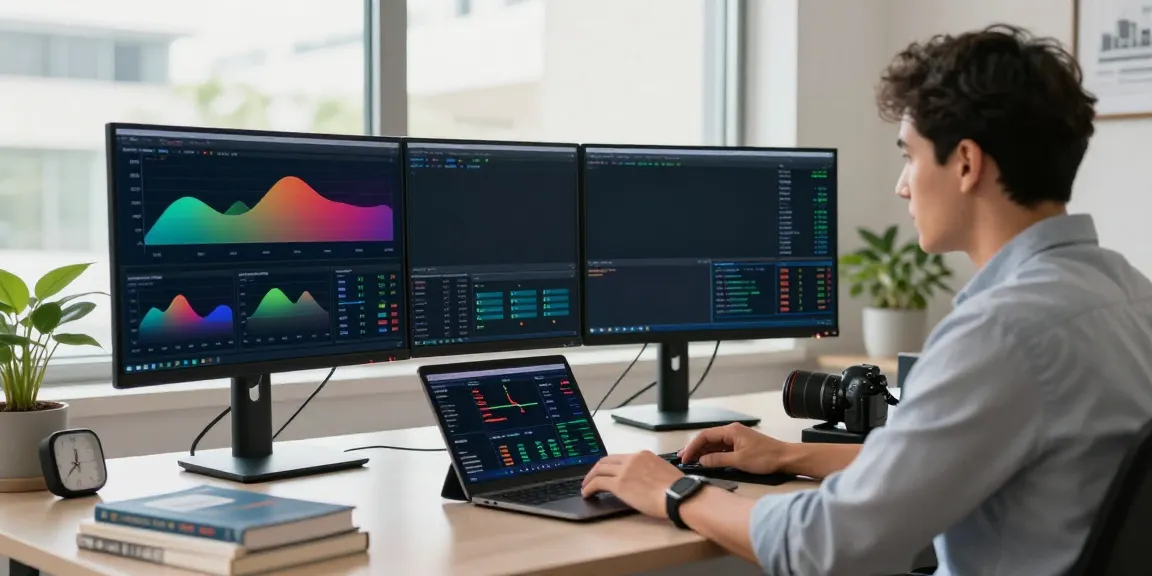
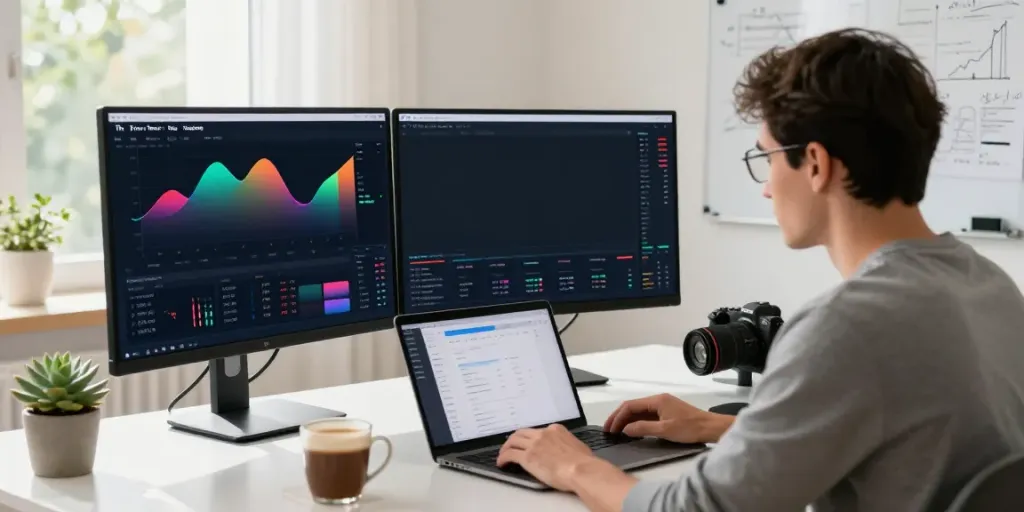
The True Trade Demo Trading feature allows users to engage in a simulated trading environment using virtual funds. This functionality is designed for both novice and seasoned traders to practice their strategies, explore the platform, and familiarize themselves with trading tools without the risk of actual losses. Users can access various markets and experience real-time trading conditions, providing a realistic yet risk-free trading experience.
Benefits of Practicing with a Demo Account
- Risk-Free Environment: The most immediate benefit of a demo account is that it eliminates the risk of losing real money. Traders can experiment with different strategies without financial stress.
- Familiarization with Trading Tools: New users can learn to navigate The True Trade interface, utilizing its features effectively, which would otherwise be daunting.
- Strategy Development: The demo account provides a perfect setting for traders to test their strategies under live market conditions.
- Confidence Building: Participating in demo trading sessions can enhance a trader’s confidence, crucial for making decisions in real trading scenarios.
Key Features to Explore in the Demo
The demo trading feature at The True Trade is equipped with several tools and functionalities that enhance the user experience, including:
- Real-Time Market Data: Users can access live market data, enabling them to react to market changes just as they would in a real trading environment.
- Variety of Assets: A wide range of cryptocurrencies and trading pairs allows users to diversify their practice, cultivating a deeper understanding of different assets.
- Performance Tracking: The demo account helps users track their performance and refine their strategies based on analytical feedback.
- Multiple Order Types: Practicing various order types, such as market and limit orders, helps traders understand how to execute trades effectively.
Getting Started with The True Trade Demo Trading
Creating Your Demo Account
To get started, users must create an account on The True Trade platform. Registration is typically straightforward, requiring basic personal information such as name, email, and password. Once registered, users can easily transition to a demo account, often accessible through their main account dashboard.
Setting Up Your Trading Environment
After logging into a demo account, the next step involves customizing the trading interface. Users can set up their preferred layout, choose which markets to follow, and organize their charting tools. Creating a personalized trading environment enhances focus and efficiency, making it easier to execute trades.
Essential Tools for Effective Practice
Utilizing the right tools can significantly enhance the learning experience during demo trading. Essential tools include:
- Charting Software: Enables users to analyze market trends, identify potential entry and exit points.
- News Feeds: Keeping up with the latest news can impact trading strategies, allowing for informed decision-making.
- Risk Management Calculators: Useful for understanding potential risks and determining position sizes.
Best Practices for Demo Trading
Developing Your Trading Strategy
One of the fundamental aspects of successful trading involves developing a solid strategy. Traders should explore various methodologies such as trend following, scalping, or swing trading. By applying these strategies in a demo account, users can determine which approaches yield the best results without risking real capital.
Risk Management Techniques
Effective risk management is crucial in trading. Users can practice techniques such as setting stop-loss orders and deciding on percentage allocations for each trade. By honing these skills within a demo account, traders can better prepare for the emotional and financial implications of live trading.
Utilizing Technical Analysis Tools
Incorporating technical analysis into trading strategies can provide traders with a competitive edge. Users should familiarize themselves with various indicators such as Moving Averages, Relative Strength Index (RSI), and Fibonacci retracements. These tools can help identify market trends and potential reversal points, enhancing overall trading performance.
Common Challenges in Demo Trading
Overcoming Psychological Barriers
Many traders overlook the psychological aspect of trading, especially within a demo environment. It is essential to approach demo trading seriously, as habits formed in practice can carry over into live trades. Users should be aware of emotional responses such as overconfidence or fear that may influence their decision-making process.
Avoiding Complacency with Virtual Funds
While trading with virtual funds is a great way to learn, it can lead to a false sense of security. Traders must remain disciplined and treat their demo trading as they would real trading. Developing a strong sense of accountability is crucial to ensure one makes informed and strategic decisions.
Translating Demo Experience to Live Trading
The transition from demo to live trading can be challenging. To mitigate potential pitfalls, traders should start with small amounts when going live, using their demo experience as a guide. Thoroughly practicing risk management techniques and sticking to a trading plan can ease this transition.
Future Trends in Cryptocurrency Trading for 2026
Innovations in Trading Platforms
As technology continues to evolve, trading platforms will become more sophisticated. Innovations such as blockchain technology, AI-driven analytics, and enhanced user interfaces are expected to dominate the market, making trading more accessible and efficient for users.
The Rise of AI in Trading Decisions
Artificial Intelligence is set to play a pivotal role in cryptocurrency trading. AI algorithms can analyze vast amounts of data more quickly than human traders, providing insights that can inform trading decisions. This technology will likely enhance the overall trading experience by providing users with data-driven recommendations.
Regulations Impacting Digital Trading Environments
The regulatory landscape surrounding cryptocurrency trading is expected to tighten in the coming years. Traders must stay informed about legal changes that may affect their trading strategies and operational compliance. Understanding these regulations will be essential for operating successfully in 2026 and beyond.
What are the advantages of demo trading?
Demo trading provides a safe environment to test strategies, develop skills, and build confidence without the risk of financial loss. It allows traders to familiarize themselves with platforms and tools, empowering them as they transition to live trading.
How to transition from demo to live trading?
Transitioning to live trading should be done cautiously, beginning with small investments. Traders can apply lessons learned from their demo experiences and consistently utilize risk management techniques to navigate the initial phases of live trading.
Is demo trading reliable for strategy testing?
Yes, demo trading is a reliable means for testing strategies under live market conditions. However, it's important to keep in mind that market emotions and other external factors may behave differently in a live environment.
What tools enhance the demo trading experience?
Various tools, such as advanced charting software, technical indicators, and market news feeds, can significantly enhance the demo trading experience, providing users with valuable insights to refine their strategies.
How can I improve my skills using demo accounts?
To improve skills with a demo account, traders should engage actively in their practice, set specific trading goals, maintain a trading journal to reflect on their decisions, and consistently seek to learn from their experiences.