Understanding Water Reclaim System Technology
The importance of efficient water management has never been more critical than in today's rapidly evolving global landscape. As industries and municipalities seek innovative solutions to combat water scarcity, the deployment of advanced technologies in water reclamation becomes essential. A Water Reclaim System provides a multifaceted approach to transforming wastewater into valuable resources, enabling sustainable practices while reducing environmental impact.
What is a Water Reclaim System?
A Water Reclaim System is designed to treat and recycle wastewater so that it can be reused for various applications, such as irrigation, industrial processes, or even potable use in some advanced systems. These systems utilize a combination of technologies to purify and repurpose water, significantly reducing the reliance on freshwater sources for demanding applications. By adopting a water reclaim system, industries can ensure compliance with environmental regulations while enhancing resource efficiency.
Key Technologies Behind Efficient Water Recycling
There are several critical technologies at the heart of modern water reclaim systems. These include:
- Membrane Bioreactor (MBR): This technology combines biological treatment with membrane filtration to effectively separate solids and pathogens from the water, producing high-quality effluent.
- Ultrafiltration (UF): UF membranes remove larger particles, including bacteria and suspended solids, providing an additional layer of purification.
- Reverse Osmosis (RO): This process uses semi-permeable membranes to eliminate dissolved salts and contaminants, yielding water of exceptional purity.
Integrating these technologies allows for a highly efficient treatment process that can adapt to various types of wastewater, thus ensuring versatile applications across different sectors.
Applications of Water Reclaim Systems in Various Industries
Water reclaim systems are versatile and can be applied in several industries, including:
- Agriculture: Reclaimed water can be used for irrigation, promoting sustainable farming practices while conserving freshwater supplies.
- Manufacturing: Industries can utilize recycled water for cooling processes, equipment cleaning, and product formulation.
- Municipal Services: Cities can use reclaimed water for landscape irrigation, street cleaning, and other non-potable applications, reducing overall demand on potable water sources.
Benefits of Using a Containerized Water Reclaim System
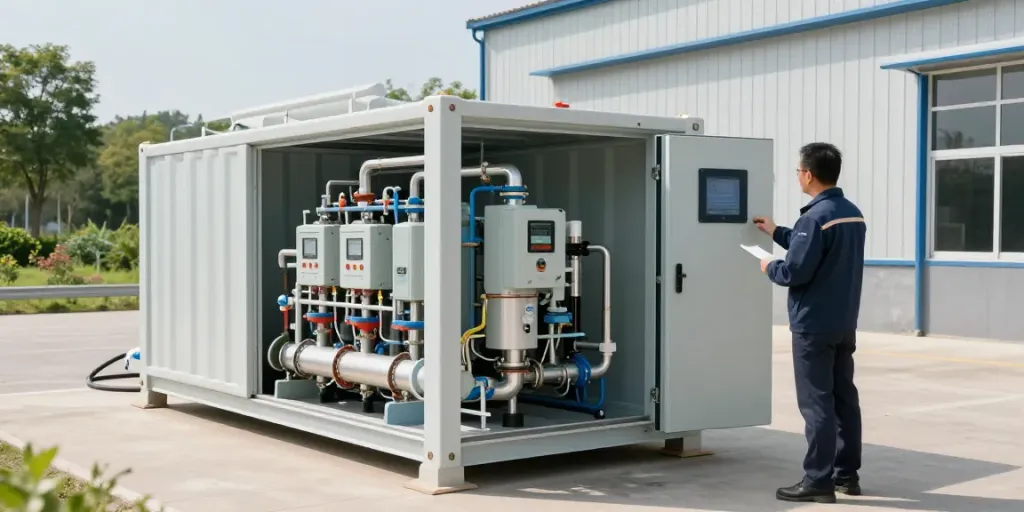
Containerized water reclaim systems offer numerous advantages that make them an appealing choice for organizations looking to implement sustainable water strategies.
Cost Savings and Resource Efficiency
Investing in a containerized water reclaim system can lead to significant cost savings. By recycling wastewater, organizations can reduce water procurement costs and lower sewer disposal fees. Additionally, these systems often require less energy compared to traditional water treatment methods, contributing to overall operational efficiency.
Environmental Impact and Sustainability Goals
Utilizing reclaimed water not only conserves precious freshwater resources but also helps organizations meet their sustainability goals. By reducing water withdrawal from natural sources, businesses can mitigate their ecological footprint and contribute to local water conservation efforts.
Versatility in Remote and Decentralized Applications
Containerized water reclaim systems are designed for rapid deployment and operational flexibility. They can be easily transported and set up at remote locations, such as construction sites, disaster relief areas, and rural communities lacking access to centralized water treatment facilities. This portability ensures that water reuse solutions are accessible wherever needed.
Best Practices for Implementing Water Reclaim Systems
The successful implementation of a water reclaim system requires careful planning and execution. Below are some best practices to consider:
Site Assessment and Customization for Optimal Performance
Before installing a water reclaim system, conducting a thorough site assessment is essential. This evaluation should consider local regulations, the quality of incoming wastewater, and specific end-use requirements. Customizing the system to meet these unique conditions will ensure optimal performance and satisfaction with the results.
Integration with Existing Infrastructure
Integrating the containerized system with existing infrastructure is crucial for maximizing efficiency. This may involve adjusting current plumbing systems, installing new pipelines, or enhancing treatment capabilities. A seamless connection between the new and existing systems will allow for smooth operation and minimal downtime.
Monitoring and Maintenance Strategies
Regular monitoring and maintenance are vital to ensure the longevity and efficient operation of water reclaim systems. Implementing routine inspections, preventive maintenance schedules, and real-time monitoring technologies will allow operators to identify potential issues early and mitigate them before they escalate into costly repairs.
Case Studies: Successful Water Reclaim System Deployments
Real-world examples illustrate the effective application of water reclaim systems across various sectors.
Municipal Projects and Water Savings
In many municipalities, the integration of water reclaim systems has led to substantial water savings. For instance, a city in California implemented a containerized system to treat wastewater for irrigation purposes. The initiative resulted in a 30% reduction in the use of potable water for landscaping, contributing significantly to the region's water conservation efforts.
Industrial Applications and Process Enhancements
In the industrial sector, a manufacturing facility adopted a water reclaim system to treat its wastewater. This transition not only provided a reliable source of water for equipment cooling but also led to a 40% reduction in water costs. The system’s efficiency improved overall production processes, yielding higher productivity and profitability.
Innovative Solutions in Remote Facilities
Remote facilities, such as mining operations, have adopted containerized water reclaim systems to address water scarcity. These systems enable the recycling of water used in various processes, helping such operations achieve sustainability goals while minimizing their environmental impact.
The Future of Water Reclaim Systems in 2026
The landscape of water reclamation is evolving rapidly, driven by technological advancements and changing regulatory frameworks.
Emerging Technologies and Trends
Innovations in membrane technology, automation, and IoT integration are set to revolutionize water reclamation practices. These advancements will enhance treatment efficiency, reduce costs, and improve the adaptability of systems to meet diverse water quality standards.
Regulatory Developments Impacting Water Reclamation
With increasing awareness of water scarcity issues, governments are likely to implement stricter regulations surrounding water use and discharge. Organizations that adopt water reclaim systems will be better positioned to comply with these regulations, ensuring their operations remain sustainable and legally compliant.
Predicting Industry Shifts and Consumer Awareness
As consumer awareness of environmental issues grows, companies that prioritize sustainability and demonstrate effective water management practices will earn a competitive edge. Emphasizing the benefits of reclaimed water will likely attract clients looking for eco-friendly solutions.
What is a water reclaim system?
A water reclaim system is an innovative technology designed to treat and recycle wastewater for reuse in various applications, significantly contributing to water conservation initiatives.
Is reclaimed water cheaper than regular water?
Yes, using reclaimed water can be more cost-effective than relying solely on treated potable water, as it reduces procurement and treatment costs.
How much does a water recycling system cost?
The cost of a water recycling system varies based on design, size, and specific technologies used, but the long-term savings often justify the initial investment.
How to build a water reclamation system?
Building a water reclamation system requires careful planning, site assessments, and integration with existing infrastructure to ensure effective operation and compliance with local regulations.
What are the environmental benefits of using a water reclaim system?
Using a water reclaim system conserves freshwater resources, reduces wastewater discharge into the environment, and minimizes the ecological impact of water extraction.