Understanding Aerospace CNC Machining
CNC machining is an essential component of modern aerospace manufacturing, enabling the creation of highly complex and precise components that meet rigorous industry standards. As the demand for aerospace products continues to rise, leading aerospace CNC parts manufacturers are adapting their processes to stay competitive. Since 2003, Honscn has been at the forefront of this evolution, providing professional CNC machining services tailored to the unique needs of aerospace engineering.
What is CNC Machining in Aerospace?
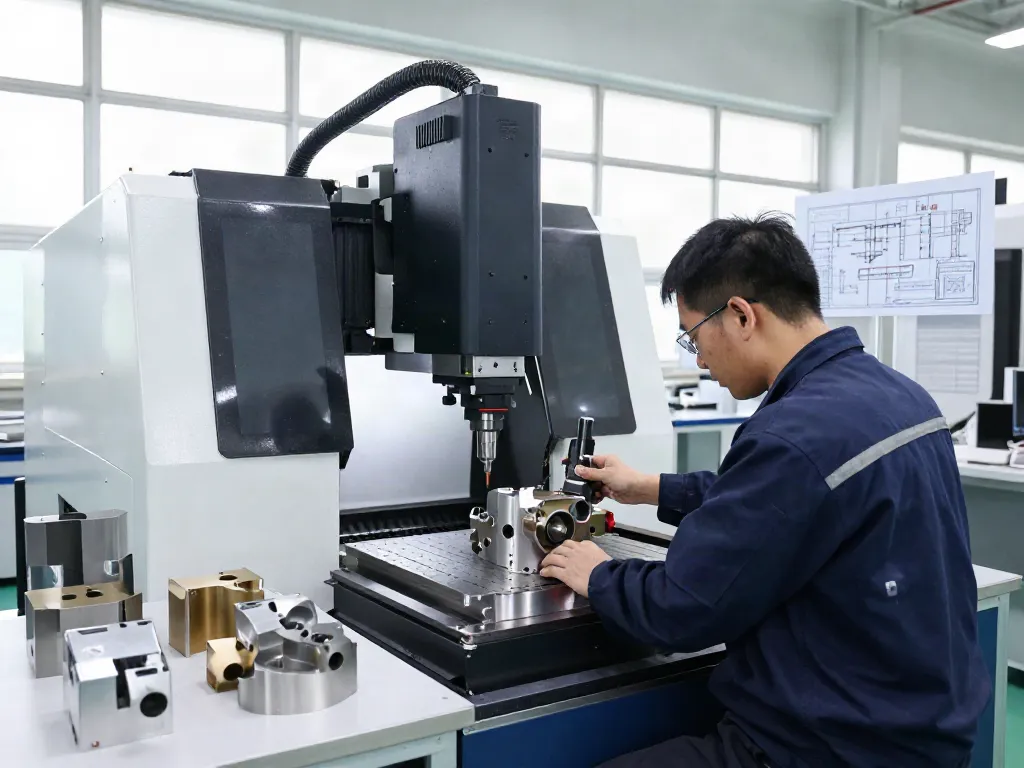
CNC (Computer Numerical Control) machining involves the use of computer-controlled machines to fabricate components from various materials. In the aerospace sector, CNC machining is particularly crucial due to the high precision required for components like turbine blades, aircraft structural parts, and landing gear. The technology allows for automated, repeatable production that minimizes human error while maximizing efficiency.
Key Advantages of CNC Machining for Aerospace Parts
- Precision: CNC machines can achieve tolerances as tight as +/- 0.005 inches, which is essential for critical aerospace applications.
- Efficiency: Automated processes significantly reduce production times, enabling rapid prototyping and mass production.
- Flexibility: CNC machining is adaptable to various materials and can accommodate custom designs, making it ideal for niche aerospace projects.
- Consistency: The automation ensures that every part is manufactured to the same standards, reducing variability.
Materials Commonly Used in Aerospace CNC Machining
When selecting materials for aerospace components, manufacturers often consider factors such as weight, strength, and durability. Commonly used materials include:
- Metals: Aluminum alloys, titanium alloys, and stainless steel are frequently used for their strength-to-weight ratios.
- Plastics: Materials like PEEK, ABS, and polycarbonate are utilized in non-structural components, offering excellent thermal and chemical resistance.
Selecting the Right CNC Technology
The choice of CNC technology is vital for achieving the desired precision and efficiency in aerospace manufacturing. When exploring options, leading aerospace cnc parts manufacturers provide comprehensive insights into the most suitable machines for specific applications.
Different Types of CNC Machines in Aerospace Manufacturing
A variety of CNC machines are employed in aerospace manufacturing, each serving distinct functions:
- CNC Milling Machines: Ideal for creating complex geometries through rotary cutting tools.
- CNC Lathes: Used for producing cylindrical parts and symmetrical shapes.
- CNC Routers: Commonly utilized for cutting softer materials like plastics and composites.
Comparing CNC Milling and CNC Turning for Aerospace Components
CNC milling and turning are both crucial processes in the aerospace industry, but they serve different purposes. Milling is best for parts with intricate features and complex shapes, while turning is primarily used for cylindrical components, such as shafts or fittings. Understanding the differences can help manufacturers select the appropriate method for their specific requirements.
Innovations in CNC Technology for Aerospace Applications
The aerospace industry is continually evolving, with innovations such as advanced CAD/CAM software, automated tool changers, and multi-axis machining centers enabling manufacturers to enhance their capabilities. These innovations not only improve efficiency but also expand the range of possible designs.
Precision Parts Development for Aerospace
Developing precision parts is critical for aerospace applications where safety and performance are paramount. The industry relies on advanced techniques and stringent quality control standards to ensure product integrity at every stage of production.
Rapid Prototyping Techniques for Aerospace Parts
Rapid prototyping is vital for testing and validating designs quickly. Techniques such as 3D printing and CNC milling allow manufacturers to produce prototypes that can be tested for fit and function before moving into full-scale production.
Quality Control Standards in Aerospace CNC Machining
Quality assurance is non-negotiable in aerospace manufacturing. Companies must adhere to strict certification standards, such as AS9100, which governs quality management systems specific to the aerospace sector. Regular inspections and testing protocols are implemented throughout the manufacturing process to ensure compliance.
Case Studies of Successful Aerospace CNC Projects
Various case studies illustrate the successful application of CNC machining in aerospace. For instance, the production of lightweight aircraft components using advanced aluminum alloys demonstrates how effective machining processes can lead to significant weight reductions, translating into fuel savings and improved performance.
Mass Production vs. Custom Manufacturing
Determining the right manufacturing approach is critical in aerospace projects. Mass production is efficient for high-volume parts, while custom manufacturing allows for specialized components that meet unique specifications.
When to Choose Mass Production in Aerospace
Mass production is appropriate when a part is needed in large quantities, helping to reduce costs per unit. This approach is prevalent for standard components that experience high demand, such as fasteners and brackets.
The Benefits of Custom CNC Machining for Special Projects
Custom CNC machining is better suited for aerospace projects requiring unique designs, such as one-off prototypes or components for specialized applications. The flexibility of CNC machining allows engineers to innovate without the constraints often found in mass production.
Cost Analysis: Custom vs. Mass Production in Aerospace
A cost analysis can reveal significant differences between custom and mass production. While custom parts may have higher initial costs due to setup and materials, they can lead to long-term savings if they meet specific operational needs that standard parts cannot fulfill.
Future Trends in Aerospace CNC Machining
As the aerospace industry advances, so too does CNC technology. Staying ahead of emerging trends will be essential for manufacturers aiming to maintain competitive advantages.
Emerging Technologies Impacting Aerospace Manufacturing
Trends such as additive manufacturing, artificial intelligence, and machine learning are reshaping the landscape of aerospace fabrication. These technologies enhance design capabilities and streamline manufacturing processes, enabling superior product development.
Sustainability Practices in Aerospace CNC Machining
As sustainability becomes a focus across industries, aerospace manufacturing is adopting practices that minimize waste and reduce carbon footprints. Techniques like material recycling and energy-efficient machining are gaining traction, aligning with global sustainability goals.
Predictions for Aerospace CNC Machining in 2026 and Beyond
Looking ahead, the integration of smart technologies and the Internet of Things (IoT) will likely revolutionize CNC machining. Enhanced data collection and analysis will facilitate predictive maintenance and process optimization, ultimately improving operational efficiency.
What are the top aerospace CNC parts manufacturers?
Leading manufacturers in aerospace CNC machining are constantly innovating and competing for market share. This competition drives improvements in technology and service delivery, benefiting clients across the sector.
How does CNC machining improve aerospace part precision?
CNC machining enhances precision by using automated systems that limit human error and ensure consistent output. Advanced software controls and high-tech machinery work together to meet the exacting standards of the aerospace industry.
What materials are best for aerospace CNC machining?
Optimal materials depend on the application requirements. Lightweight metals like aluminum, titanium alloys for strength, and specialized plastics for specific performance criteria are all utilized in aerospace CNC machining.
What are the challenges in aerospace CNC manufacturing?
Challenges include managing production costs, maintaining compliance with strict regulatory standards, and adapting to evolving technologies. Companies must be agile to meet these demands effectively.
How can technology enhance aerospace manufacturing processes?
Technological advancements such as simulation software and IoT connectivity can enhance manufacturing processes by predicting failures, optimizing machining operations, and improving overall efficiency.