Overview of the Manaslu Trek
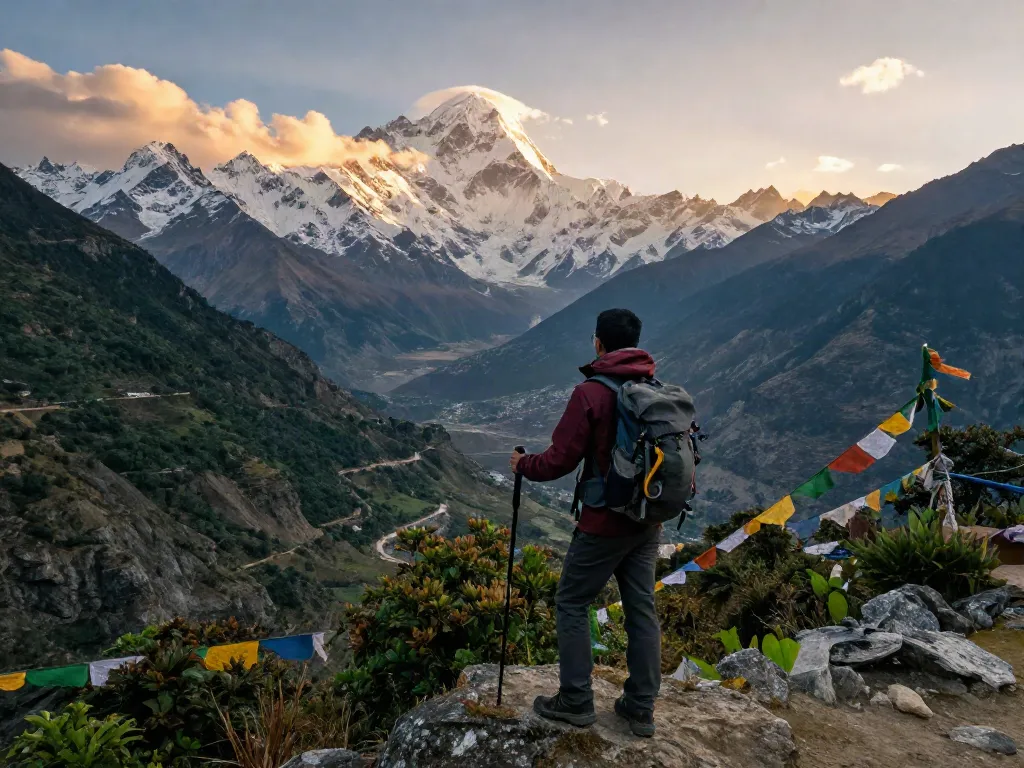
The Manaslu Trek is an exceptional trekking experience in Nepal that offers breathtaking views, rich cultural encounters, and challenging terrains for adventure seekers. Nestled in the Gorkha region, this trek takes you around Mount Manaslu, the eighth-highest peak in the world, creating a unique blend of natural beauty and cultural immersion. This 15-day trek not only appeals to seasoned trekkers but also welcomes those willing to embrace the challenges of high-altitude hiking. Along the journey, trekkers traverse through lush valleys, ancient monasteries, and quaint Tibetan-influenced villages, offering insights into local life while basking in the majestic Himalayan landscape.
What is the Manaslu Trek?
The Manaslu Trek is a circumnavigational route around Mount Manaslu (8,163 m / 26,781 ft) and is often regarded as one of the most scenic treks in Nepal. It encompasses approximately 177 kilometers and typically lasts for 15 days, making it a demanding yet rewarding experience. The trek starts from a small village called Machha Khola and ends in Dharapani, crossing the rugged terrains of the Manaslu Conservation Area. The journey offers panoramic views of stunning peaks, including Himlung Himal, Kang Guru, and Annapurna II, as well as an opportunity to interact with the diverse local communities.
Key Highlights of the Trek
- Scenic Views: Experience breathtaking vistas of the Himalayas, including the majestic Mount Manaslu.
- Cultural Immersion: Engage with local Tibetan communities and explore ancient monasteries.
- Adventure and Challenge: Tackle the rugged terrain and steep ascents, such as the famous Larkya La Pass (5,160 m / 16,929 ft).
- Rich Biodiversity: Witness unique flora and fauna in the protected Manaslu Conservation Area.
- Off-the-Beaten-Path Experience: Enjoy a less crowded trekking route compared to more popular trails like the Everest Base Camp trek.
Why Choose Manaslu Trek in 2026?
Opting for the Manaslu Trek in 2026 offers adventurers a chance to experience the trek during an era where eco-tourism and responsible travel practices are gaining traction. The controlled tourism model in the Manaslu region helps to preserve its natural beauty and cultural heritage. Additionally, 2026 promises enhanced trekking services, including more experienced guides and better accommodation facilities due to the increasing interest in this trek. This year may also see improved accessibility and more organized trekking packages, providing trekkers with a seamless experience.
Preparing for the Manaslu Trek
Essential Gear and Packing List
When preparing for the Manaslu Trek, it's crucial to pack wisely to ensure comfort and safety. The trek takes you through diverse altitudes and climates, thus requiring a well-thought-out packing list. Here are essentials you should consider:
- Trekking Boots: Invest in a sturdy pair of waterproof trekking boots with good ankle support.
- Clothing Layers: Include moisture-wicking base layers, insulating layers (like fleece), and a waterproof outer shell.
- Sleeping Bag: A sleeping bag rated for at least -15°C is recommended.
- Personal Items: Don’t forget toiletries, a lightweight towel, and sun protection (sunglasses, sunscreen, hat).
- Electronics: A portable charger, headlamp, and essential camera gear to capture the stunning landscapes.
- First Aid Kit: Include basic medications and supplies for altitude sickness and general injuries.
Physical Training for the Trek
Due to the challenges posed by the Manaslu Trek, a proper physical training regimen is essential for success. It’s recommended that trekkers engage in cardiovascular exercises, strength training, and endurance building activities. Prepare for the trek by:
- Walking and Hiking: Increase your walking distance over uneven terrain, aiming for 5-8 hours of walking per day.
- Cardiovascular Training: Incorporate running, cycling, or swimming at least three times a week to build stamina.
- Altitude Simulation: If possible, train in high-altitude environments or use stairs to acclimatize your body to thinner air.
Planning Your Itinerary
When planning the itinerary for the Manaslu Trek, it's essential to factor in acclimatization days and the various segments of the trek. A typical 15-day itinerary includes:
- Arrival in Kathmandu: Transfer to your hotel and prepare for the trek.
- Drive to Machha Khola: An 8-10 hour journey to the starting point of the trek.
- Trek Days: Daily treks ranging from 5-8 hours, incorporating rest stops and exploration of local villages.
- Acclimatization: A full day set aside in Samagaon for altitude adjustment before proceeding towards Larkya La Pass.
- Return to Kathmandu: After the trek, enjoy a scenic drive back to the capital.
Understanding Trekking Permits and Regulations
Manaslu Restricted Area Permit Requirements
The Manaslu Trek falls within a restricted area that mandates trekkers to obtain specific permits. The primary permit required is the Manaslu Restricted Area Permit (MRAP), which is essential for being allowed into the region. It's crucial to arrange this through a registered trekking agency, as individual trekkers cannot obtain the permit alone. This regulation helps manage the number of tourists, thereby preserving the area’s natural beauty and cultural significance.
Other Necessary Permits
Alongside the MRAP, trekkers will also need a Manaslu Conservation Area Permit (MCAP), the Annapurna Conservation Area Permit (ACAP), and a Trekkers’ Information Management System (TIMS) card. These permits are mandatory and will be checked at various checkpoints throughout the trek.
Best Practices for Responsible Trekking
Responsible trekking practices are vital in the Manaslu region to ensure sustainability and safety. Here are some best practices to consider:
- Leave No Trace: Carry out all waste and minimize your impact on the environment.
- Respect Local Cultures: Engage respectfully with local communities and adhere to cultural practices.
- Use Registered Guides: Always trek with a licensed guide who understands the terrain and local regulations.
Trekking Experience and Accommodation
What to Expect on the Trail
The Manaslu Trek offers a blend of stunning landscapes and authentic cultural experiences. Expect to traverse lush green valleys, challenging ascents, and picturesque Tibetan villages. The trail winds along the Budi Gandaki River, presenting trekkers with spectacular views of local wildlife and the magnificent peaks of the Himalayas. Each day on the trek will be an adventure, filled with the changing landscapes of alpine forests, terraced fields, and rocky paths.
Types of Accommodation During the Trek
Accommodation during the Manaslu Trek typically consists of local teahouses and lodges which offer simple yet comfortable lodging. Here’s what to expect:
- Teahouses: Most nights will be spent in twin-sharing rooms with shared bathrooms. Basic amenities are provided, but expect limited hot water and electricity.
- Dormitory-Style Rooms: In higher altitudes like Dharmashala and Bimthang, lodgings may be more basic, often dormitory-style.
- Private Rooms: Depending on availability and season, you may be able to request private rooms for extra comfort.
Local Cuisine and Food Options
Dining on the trek is primarily vegetarian-based, offering a selection of local Nepali and Tibetan dishes. Foods such as dal bhat (rice and lentils), momos (dumplings), and various noodle dishes are common. While trekking, it’s essential to stay hydrated and consume hot drinks to help with acclimatization. Most teahouses also offer garlic-laden meals, which are believed to assist with altitude adjustment.
Frequently Asked Questions (FAQs)
What is the best time to trek Manaslu?
The ideal seasons for trekking the Manaslu Circuit are typically spring (March to May) and autumn (September to November). During these months, travelers can expect clear skies and moderate weather, making for an optimal trekking experience.
How difficult is the Manaslu Trek?
The Manaslu Trek is considered moderately challenging, with trekkers facing long days of hiking and high altitudes. Preparation, both physically and mentally, is recommended to navigate the rugged terrain effectively.
Can I trek solo or do I need a guide?
As per Nepalese regulations, trekking in the Manaslu region requires a licensed guide, making solo trekking impossible in this area. Engaging a local guide enhances safety and enriches the trekking experience.
What is the average daily walking distance?
On average, you can expect to walk 15 to 20 kilometers daily over 5 to 8 hours, depending on the itinerary and trail conditions.
How much does the Manaslu Trek cost?
The cost for the Manaslu Trek typically ranges between $1,500 to $2,500, depending on the trekking agency, duration, and specific services included in the package.