Understanding Facial Age Estimation
Facial age estimation is an emerging field that combines technology, dermatology, and the ever-evolving understanding of human biology. As people increasingly seek to understand how old they look, advancements in artificial intelligence (AI) and machine learning provide intriguing insights into our perceived age based on facial features. In this guide, we explore the nuances of facial age estimation, the technology that powers it, and how it affects our perception of age.
What Is Facial Age Estimation?
Facial age estimation refers to the process of determining a person's perceived age by analyzing their facial features using various algorithms. These estimations can provide intriguing insights into how individuals perceive themselves and how they are perceived by others. By utilizing AI and deep learning techniques, these tools can assess countless variables, from skin texture to wrinkle depth, enabling a fairly accurate prediction of age based on visual information.
How Does AI Analyze Your Face?
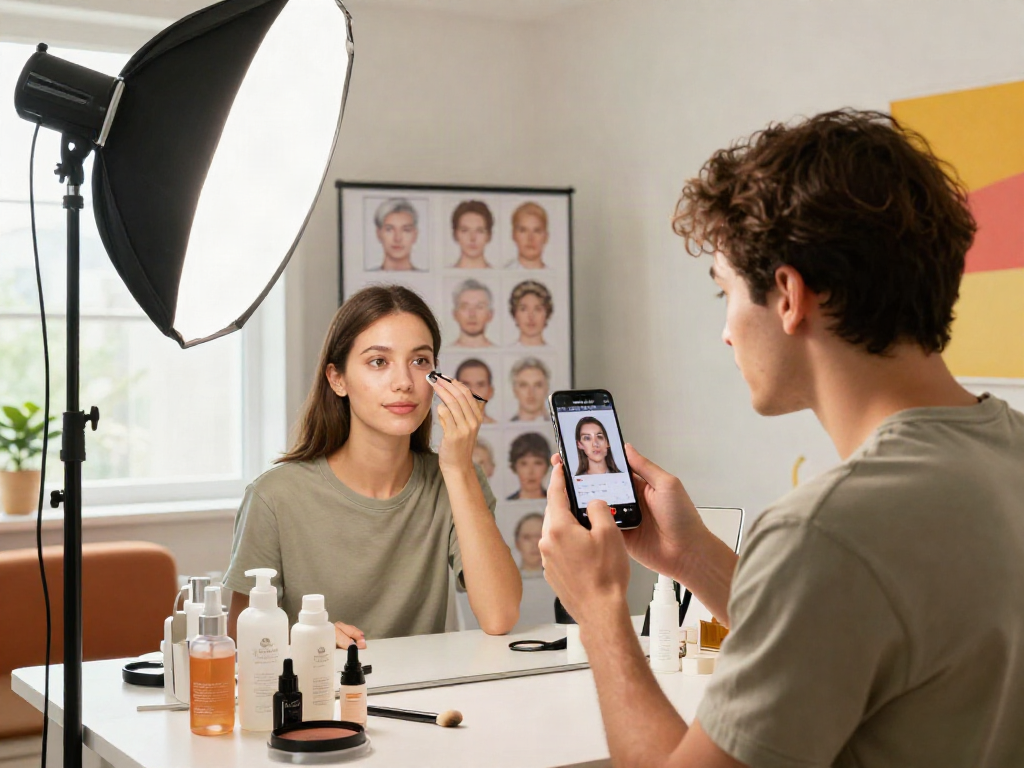
AI-driven facial analysis employs deep learning algorithms that are trained on vast datasets of images categorized by age. These algorithms detect patterns and features commonly associated with aging, such as fine lines, dark circles, and changes in skin elasticity. As a result, when you upload a photo to an AI model, it runs calculations on these markers to estimate how old you look. When exploring options, how old do I look platforms offer comprehensive insights into this process and help users know their perceived age.
Common Misconceptions About Age Estimation
Many people believe that facial age estimation tools can provide a definitive answer to how young or old someone appears. However, it's essential to understand that these tools deliver estimates based on statistical data and algorithms rather than precise measurements. Factors such as lighting conditions, facial expressions, and even the quality of the image can affect the accuracy of the results.
How Old Do I Look? Methodologies Explained
As facial age estimation technology continues to evolve, numerous methodologies have arisen to cater to a variety of needs. This section dives deeper into the most popular methods available today, shedding light on how they work and their applicability.
AI-Powered Age Estimation Tools
AI-powered tools use complex algorithms that analyze hundreds of facial characteristics, providing users with an age estimate based on established trends. Unlike traditional methods, which may rely more heavily on dermatological expertise, these AI applications can process an array of data points much faster and often with remarkable accuracy.
Comparison of Popular Age Estimation Apps
- FaceAge.ai: Known for its user-friendly interface, this app allows photo uploads and provides an instant age estimation through AI.
- Fotor: This platform promises no signup requirement and focuses on analyzing skin features, making it accessible for everyone.
- BeautyPlus: This app not only estimates age but also offers enhancements for selfies, appealing to social media users.
Evaluating Accuracy: What to Expect?
When utilizing AI for facial age estimation, it’s vital to temper expectations regarding accuracy. Although many applications can provide a ballpark figure regarding perceived age, results can vary significantly based on the method used, individual facial features, and external factors like lighting. Users can expect a general idea but should understand the limitations inherent in such tools.
Factors Influencing Facial Age Perception
Understanding how we perceive age requires examining various influencing factors. This section outlines critical elements that can impact the perceived age of an individual, helping to clarify why there might be discrepancies in age estimation.
Skin Health and Its Impact on Age Appearance
One of the most significant determinants of how old someone appears is the health of their skin. Factors such as hydration, sun exposure, and skin care routines can all greatly affect skin appearance. For instance, individuals with well-moisturized skin and absence of blemishes tend to appear younger than those with damaged or dehydrated skin.
The Role of Lighting in Age Perception
Lighting conditions can dramatically alter how features are viewed in photos. Bright, natural light can conceal imperfections and highlight youthful aspects of a face, while dimmer lighting can accentuate shadows and make skin appear less vibrant.
Cultural Differences in Age Perception
Aging perceptions can vary significantly across cultures. For example, some cultures prioritize youthfulness and may view aging negatively, while others celebrate the wisdom and experience associated with age. This cultural lens can influence self-perception and the way individuals seek to gauge their age.
Improving Your Facial Age Through Skincare
Many individuals are keen to know how to enhance their perceived age positively. This section discusses effective strategies and tips that can influence how youthful someone appears through skincare practices.
Best Skincare Routines for Youthful Skin
- Cleansing: Regularly cleanse to remove impurities and maintain clear skin.
- Moisturizing: Use products suited to your skin type to maintain hydration.
- Sun Protection: Apply sunscreen daily to prevent damage from UV rays.
- Exfoliation: Implement exfoliation to remove dead skin cells and promote cell renewal.
Innovative Products for Anti-Aging
Several products contain active ingredients aimed at reducing signs of aging, such as retinoids, hyaluronic acid, and antioxidants. Regular use of these can enhance skin texture and diminish fine lines, contributing to a more youthful appearance.
Diet and Lifestyle Choices That Affect Your Skin
A balanced diet rich in vitamins, minerals, and antioxidants can have profound effects on skin health. Hydration is equally important; drinking ample water can improve skin elasticity and clarity. Additionally, lifestyle factors such as adequate sleep and stress management can significantly influence how you appear.
Future of Facial Age Estimation Tech
As technology advances, the future of facial age estimation is poised for exciting transformations. This section explores the predicted trends and innovations that might shape the landscape of age estimation tools.
Trends to Watch in 2026 and Beyond
Emerging trends suggest an increasing integration of augmented reality (AR) with age estimation technology. This could allow users to not only understand how old they look but also experiment with virtual anti-aging solutions before committing to any products or procedures.
Ethics and Privacy in Age Estimation Technology
As with any technology that utilizes personal data, ethical considerations related to privacy are paramount. Developers must ensure that user data is handled responsibly and transparently, fostering trust while leveraging the benefits of AI.
Predicted Innovations in Skin AI Analysis
Future innovations are likely to enhance the accuracy of AI models by utilizing more extensive datasets and considering additional factors, such as genetic predispositions and environmental influences. These advancements can lead to personalized skincare recommendations tailored to individual needs.
What are the best free apps to determine how old do I look?
Several free apps, such as Fotor and FaceAge.ai, allow users to upload photos and receive quick age estimates. These applications are designed to be user-friendly and provide insights without requiring lengthy sign-up processes.
How accurate are age estimation tools?
The accuracy of age estimation tools can vary widely. While some applications have been shown to be remarkably precise, others may produce results that feel more like fun guesses than serious assessments. Users should approach these tools with a sense of curiosity rather than expecting definitive results.
Can I improve how old I look without surgery?
Yes! Many non-invasive methods can effectively enhance youthful appearance. Consistent skincare routines, a healthy diet, and even cosmetic procedures like fillers are popular alternatives to surgical options.
What factors impact how old I look?
A multitude of factors can affect perceived age, including genetics, skin quality, lifestyle habits, and even one's emotional well-being. Understanding these elements can help you make conscious choices that contribute to a more youthful appearance.
Is facial age analysis reliable for all skin types?
While many facial age analysis tools are designed to accommodate various skin types, results can still vary. It's crucial for users to consider their unique skin attributes when interpreting age estimates derived from these tools.