Understanding Pre Schools in Singapore
In today's fast-paced world, early childhood education has become a cornerstone for a successful future. For parents in Singapore, selecting the right preschool is a crucial decision that sets the stage for lifelong learning. The landscape of pre schools in Singapore is diverse, with various methodologies, environments, and curricula available to cater to the needs of every child. Understanding what defines quality in preschool education can help parents navigate this landscape effectively.
What Defines Quality Pre Schools?
Quality preschools are characterized by their holistic approach to child development, focusing on a well-rounded curriculum that nurtures cognitive, emotional, social, and physical growth. Accreditation from recognized educational bodies, qualified teaching staff, and a positive learning environment are essential components of a quality preschool. Moreover, a focus on safety, health, and parental involvement further enhances the preschool experience.
Key Features of Pre Schools in Singapore
- Inquiry-Based Learning: Many top preschools emphasize an inquiry-based learning approach that encourages children to ask questions, explore their surroundings, and engage in hands-on activities.
- Small Class Sizes: A lower student-to-teacher ratio fosters personalized attention, allowing educators to cater to individual learning styles and needs.
- Diverse Curricula: Preschools may adopt various educational philosophies, such as Montessori, Reggio Emilia, or traditional approaches, each with unique benefits.
- Cultural Sensitivity: With Singapore’s multicultural environment, many preschools incorporate elements of different cultures, promoting respect and appreciation for diversity.
How Pre Schools Foster Holistic Development
Holistic development in preschool encompasses nurturing a child's emotional intelligence, social skills, and physical development alongside academic learning. A well-rounded curriculum incorporates play-based learning, arts and crafts, music, and movement, allowing children to explore their interests and develop various skills. Additionally, strong teacher-student relationships can enhance emotional security, giving children the confidence to explore and learn.
Pros of Enrolling in Pre Schools
Benefits of a Structured Learning Environment
One of the significant advantages of enrolling a child in preschool is access to a structured learning environment. Structured routines help children adapt to the dynamics of learning and social interaction, while fostering independence and responsibility. Moreover, engaging in pre-planned activities stimulates curiosity and promotes cognitive development, laying a solid foundation for future education.
Enhancement of Social Skills and Interaction
Preschool provides a unique opportunity for children to interact with peers, which is vital for developing social skills. Through play, group activities, and collaborative projects, children learn to communicate effectively, share, and resolve conflicts. These interactions not only help build friendships but also instill empathy and understanding of different perspectives.
Inquiry-Based Learning Approach Advantages
The inquiry-based learning approach commonly adopted in many preschools focuses on igniting a child's natural curiosity. Children are encouraged to ask questions and seek answers, promoting critical thinking skills essential for lifelong learning. This method allows children to learn at their own pace and explore subjects of interest in-depth, leading to a deeper understanding and retention of knowledge.
Cons of Pre School Enrollment
Potential Academic Pressure for Young Learners
While the benefits of preschool are numerous, some drawbacks can arise. One concern is the potential for academic pressure, especially in high-stakes environments where children may be pushed to meet certain benchmarks. Parents should be wary of preschools that prioritize academic performance over emotional and social development, as this can lead to stress and anxiety in young learners.
Cost Considerations for Families
Another significant factor for parents to consider is the cost of preschool education. Tuition fees can vary widely, and families may face financial constraints when choosing between local and international preschools. It's crucial for parents to weigh the benefits of a particular preschool against their budget and explore options such as government subsidies or financial aid programs.
Choosing Between Local and International Models
Parents often grapple with the choice of enrolling their child in a local versus an international preschool. While local preschools may offer a curriculum closely aligned with national educational standards, international preschools typically incorporate diverse cultural perspectives and methodologies. This decision should be based on the child's individual needs and the family’s educational philosophy.
Choosing the Right Pre School for Your Child
Factors to Consider for Your Child's Needs
When selecting a preschool, parents should consider several factors, including the child's personality, learning style, and social needs. Visiting multiple schools, observing classrooms, and talking to educators can provide insight into how each environment aligns with the child's unique requirements. Additionally, understanding the preschool's philosophy and values will help ensure a good fit for the family.
Questions to Ask During School Visits
Parents should come prepared with questions during school visits to better understand each preschool's approach. Inquiries might include:
- What is the teacher-to-student ratio?
- How is the curriculum structured?
- What are the methods for assessing children's progress?
- How does the school involve parents in the learning process?
Comparing Curriculum and Teaching Styles
Different preschools may offer various curricula and teaching styles, so it is essential to compare options. Some may emphasize play-based learning, while others might focus on structured, academic frameworks. Parents should choose a curriculum that aligns with their educational values and the skills they hope their child will develop.
Future Trends in Early Childhood Education in Singapore
Impact of Technology on Pre School Learning
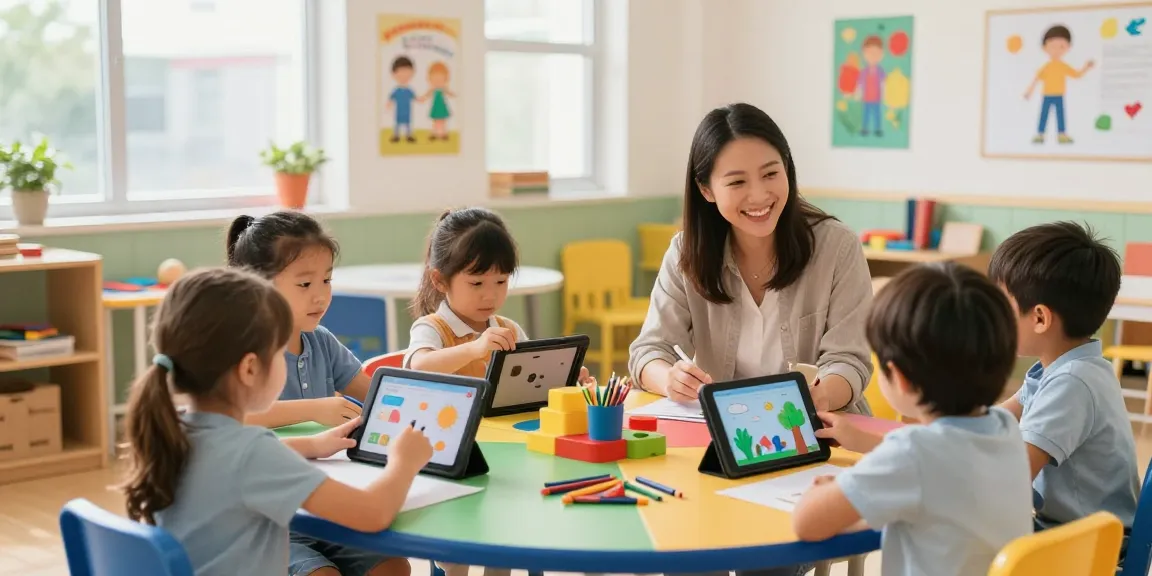
As technology continues to evolve, so does its impact on early childhood education. Interactive digital tools and resources can enhance learning experiences when integrated thoughtfully into the curriculum. However, it's essential to balance screen time with hands-on, experiential learning to protect children's developmental needs.
Increasing Emphasis on Emotional Intelligence and Wellbeing
The growing recognition of emotional intelligence as a vital component of education has prompted many preschools to enhance their focus on social-emotional learning. Programs that promote mindfulness, emotional regulation, and resilience can significantly benefit children's overall well-being and prepare them for future challenges.
2026: The Evolution of Pre School Education Models
In 2026, the evolution of preschool education is expected to reflect broader societal changes, including increased focus on inclusivity and diversity. Preschools may adopt more flexible curricula that accommodate various learning needs and styles, ensuring that all children thrive in an inclusive environment.
What are the advantages of pre schools in Singapore?
The advantages of preschools in Singapore include structured environments that promote early learning, enhanced social skills, and diverse curricula that cater to various educational philosophies. Much emphasis is placed on holistic development, preparing children for lifelong success.
Are international pre schools better for my child?
Whether international preschools are better for your child often depends on the individual child's needs and family values. International preschools typically offer diverse cultural experiences and different teaching methodologies, which can be beneficial for children in multicultural environments.
How to assess the quality of a pre school?
Assessing preschool quality involves evaluating the curriculum, teacher qualifications, student-to-teacher ratios, and safety protocols. Visiting schools, talking to staff and other parents, and observing classrooms can provide valuable insights into each preschool's quality.
What is the ideal age for pre school enrollment?
While the ideal age for preschool enrollment varies, most children begin attending preschool between 2 and 4 years old. Early enrollment can provide critical social and cognitive benefits, but each child's readiness should be considered individually.
What learning approaches are effective for young children?
Effective learning approaches for young children include play-based learning, inquiry-based methods, and experiential learning opportunities. These methods capitalize on children’s natural curiosity and desire to explore, fostering deeper understanding and engagement.